The Most Common Security Risks for Bristol Businesses in 2025

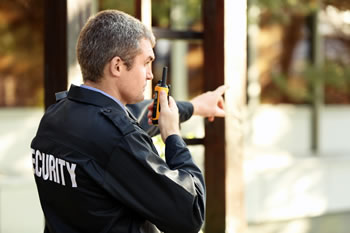
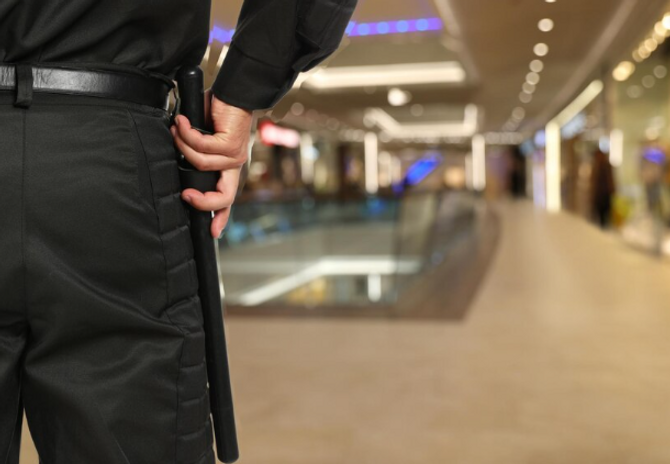
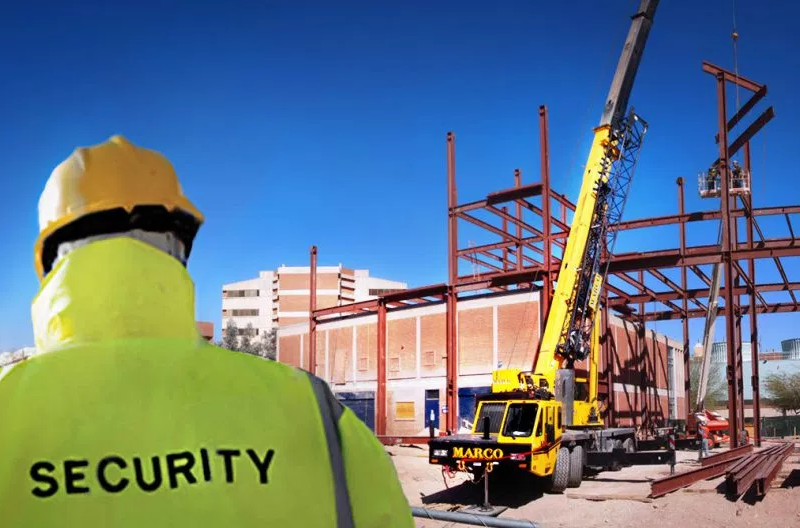
Security guard on patrol Bristol

Discover the biggest security risks facing Bristol businesses in 2025 and learn how to prevent theft, vandalism and break-ins with expert security guidance.


The Most Common Security Risks for Businesses in Bristol (2025 Update)

Published: 2025 | Industry Expert Guide

Bristol’s business landscape continues to grow at one of the fastest rates in the South West. With new retail units, construction projects, industrial estates and office developments opening every year, the city is thriving. But with opportunity also comes risk.

Security threats have increased across several sectors in Bristol—from rising shoplifting in the city Centre to vandalism in industrial parks and break-ins on construction sites in areas like Filton, Temple Meads, and Avonmouth. As a business owner, understanding these risks is the first step in protecting your people, property, and operations.

This 2025 update outlines the most common security risks facing Bristol businesses, backed by industry experience and current crime trends. You’ll also learn practical ways to reduce these risks using cost-effective, professional solutions.


Rising Theft and Shoplifting in Bristol’s Retail Areas

Retail crime has surged across the UK, and Bristol is no exception. Businesses in Cabot Circus, Broadmead, Park Street, and Gloucester Road are reporting higher incidents of:

  • Opportunistic shoplifting
  • Organised theft gangs
  • Grab-and-run incidents
  • Theft during busy footfall periods

Several factors are driving this increase, including economic pressures and understaffed premises. Even small retailers are now dealing with professional thieves who target unattended stock and high-value items.

How to Reduce Retail Theft

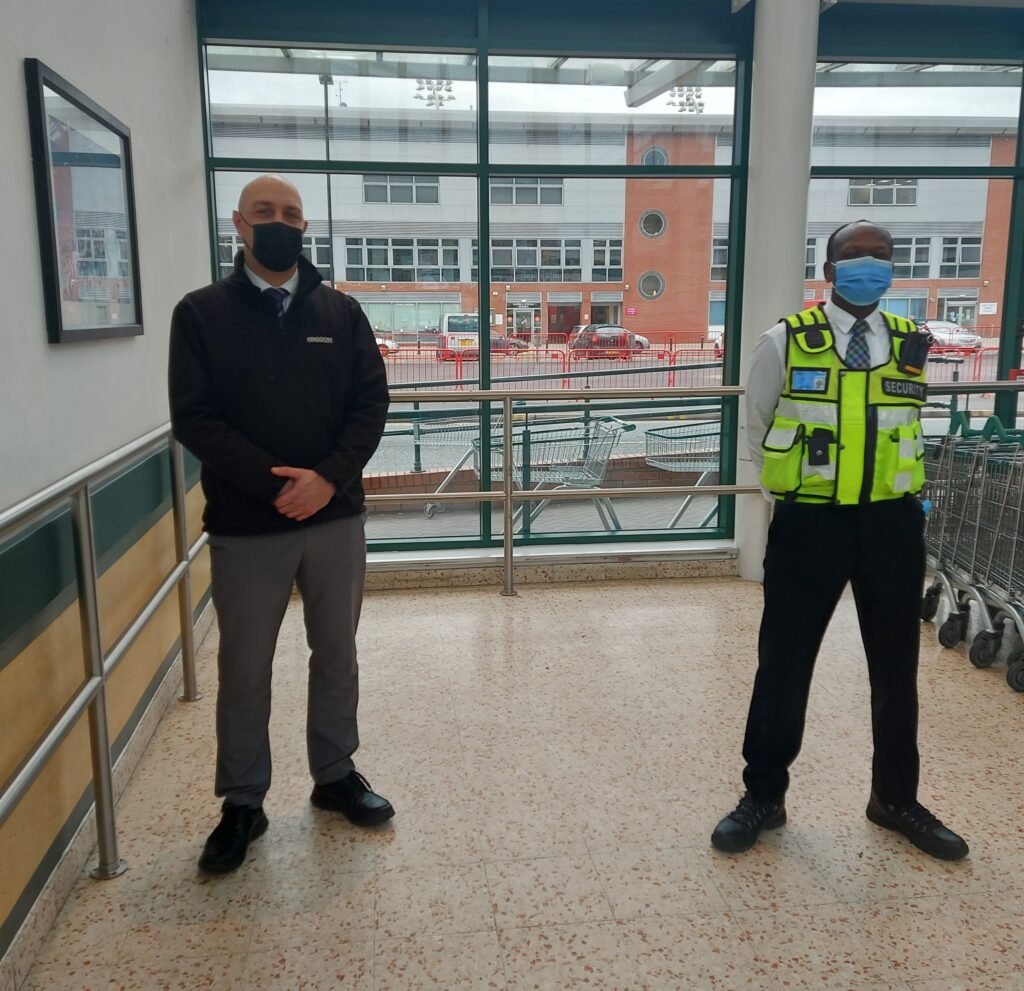
  • Deploy visible security guards at entrances and high-risk aisles.
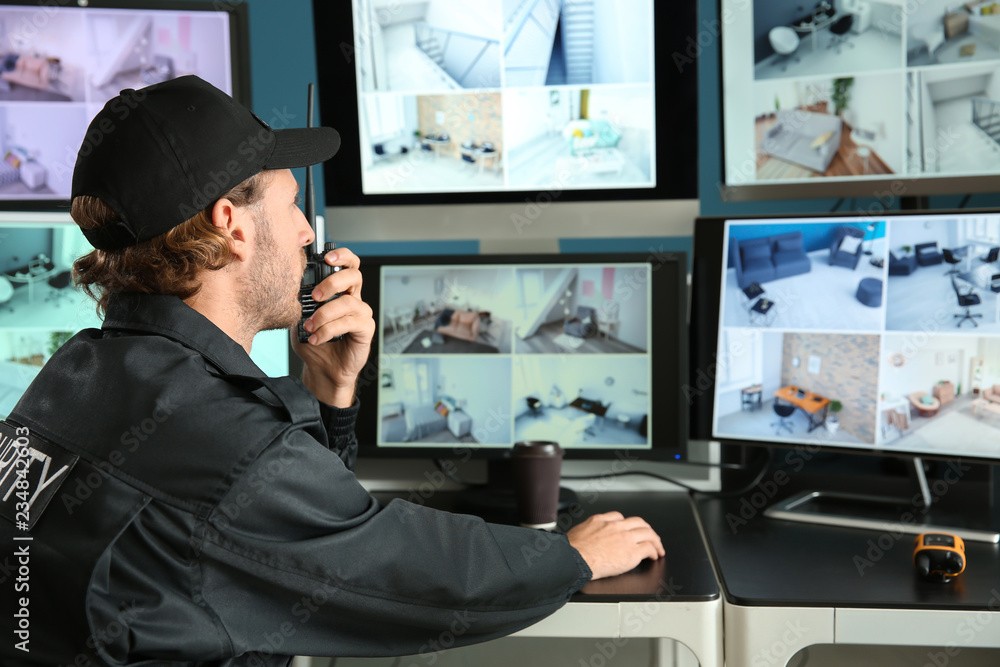
  • Install CCTV monitoring with real-time support.
  • Use customer flow management to deter suspicious behaviour.
  • Train staff to spot signs of organised theft.

Physical presence remains the strongest deterrent. A uniformed guard reduces theft by up to 70% in some locations.


2. Break-Ins and Burglary at Night

Industrial estates and office buildings—especially in Avonmouth, Brislington, St. Philips, and Fishponds—face a rising threat of after-hours break-ins.

The most targeted locations include:

  • Warehouses storing high-value tools or stock
  • Car dealerships
  • Offices with computers and electronics
  • Construction sites with plant machinery

Thieves often take advantage of unsecured rear entrances, poorly lit areas, and predictable staff schedules.

How to Protect Against Break-Ins

  • Manned guarding during vulnerable hours
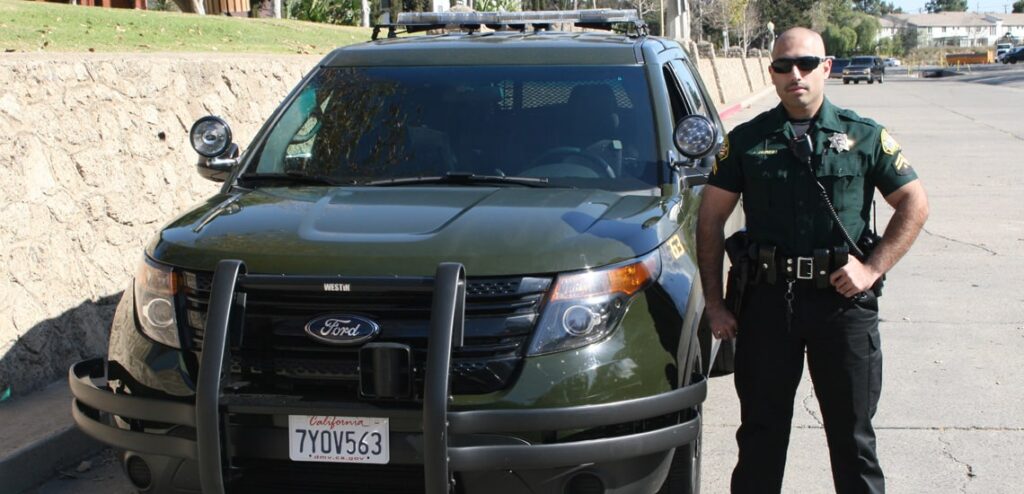
  • Random mobile security patrols
  • Alarm response and key holding for emergencies
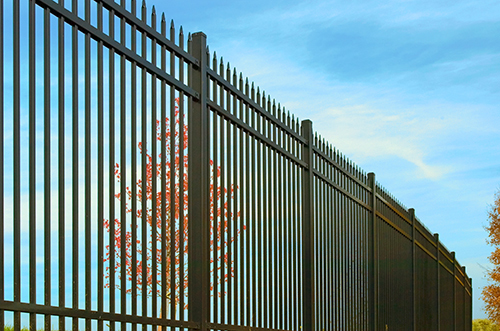
  • Upgraded perimeter security (lighting, fencing, locks)

Most criminals will avoid locations that appear protected or monitored.


3. Construction Site Theft and Vandalism

As Bristol continues major developments in Filton, Temple Quarter, Harbourside, and the city centre, construction sites are becoming prime targets.

Common stolen items include:

  • Power tools
  • Copper and metal
  • Plant machinery
  • Fuel
  • Temporary equipment and materials

Construction sites are also vulnerable to trespassing, arson, and youth vandalism—especially at night and on weekends.

How to Prevent Construction Crime

  • 24/7 construction site security guards
  • Mobile patrol units
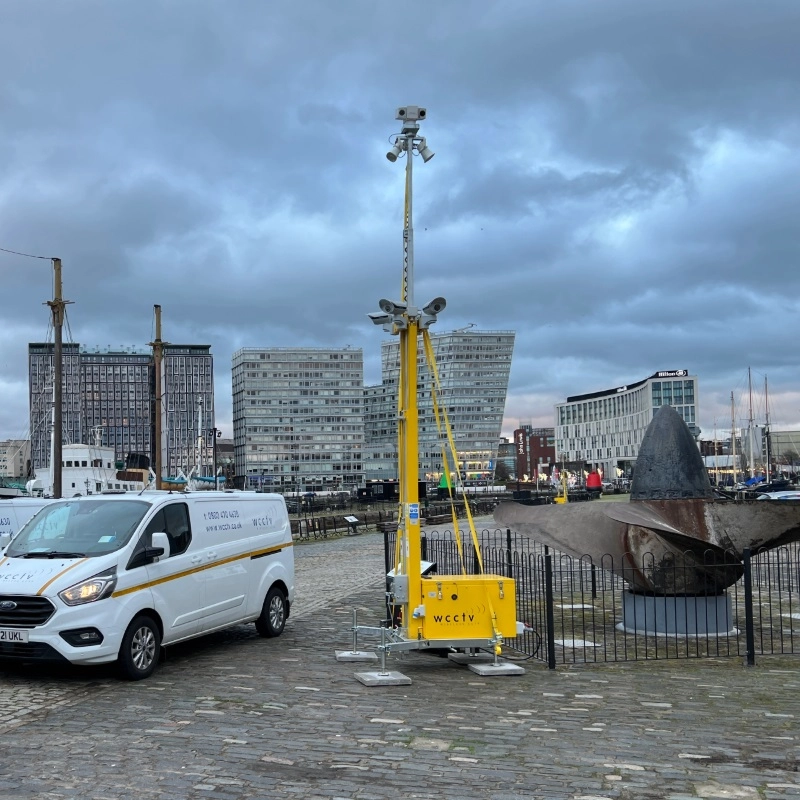
  • Temporary CCTV towers
  • Access control for staff and visitors
  • Locked tool storage and plant immobilization devices

Strong on-site security can save thousands by preventing downtime and loss of materials.


4. Vandalism and Graffiti in Business Districts

Vandalism is one of the most costly and frustrating issues for Bristol businesses. From broken windows to graffiti and property damage, incidents are common in:

  • Stokes Croft
  • Bedminster
  • Old Market
  • Easton
  • City Centre alleyways

Even modern office buildings and shopfronts experience targeted damage, especially after dark.

How to Reduce Vandalism

  • Regular mobile security patrols
  • Improved lighting around entrances
  • Window protection films
  • CCTV coverage
  • A visible security presence during evenings

Vandals typically strike locations that appear empty or unprotected. Even a few random patrols per night can dramatically reduce incidents.


5. Staff Safety Risks and Aggressive Behaviour

Businesses in hospitality, retail, and customer-facing services are experiencing increased aggression and antisocial behaviour. Staff are reporting:

  • Verbal abuse
  • Threatening customers
  • Physical altercations
  • Intoxicated individuals refusing to leave

This is especially common around nightlife areas, events, and transport hubs.

How to Improve Staff Safety

  • Use front-of-house security officers in high-risk settings.
  • Implement clear staff safety procedures.
  • Train staff on conflict management.
  • Install panic alarms or lone worker systems if needed.

Professional guards trained in de-escalation can prevent dangerous situations from escalating.


6. Vehicle Theft and Parking Area Intrusions

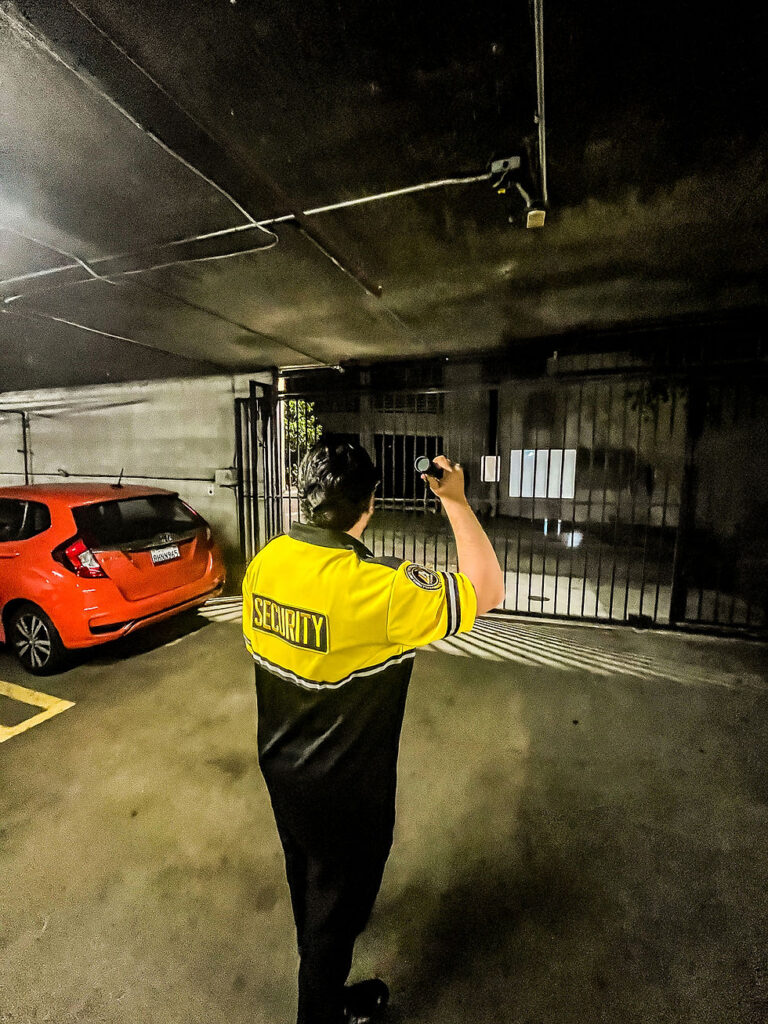
Car parks and loading areas are soft targets—especially when poorly lit or unsupervised.

Businesses report:

  • Catalytic converter theft
  • Vehicle break-ins
  • Fuel and tool theft
  • Staff vehicle vandalism

Large retail parks and industrial estates such as Patchway and Hengrove are particularly affected.

How to Protect Vehicles and Loading Areas

  • Security patrols
  • ANPR CCTV systems
  • Improved lighting
  • Gatehouse or access control
  • Staff parking segregation

A combination of surveillance and physical presence offers the strongest protection.


7. Cyber-Physical Security Gaps

While cybersecurity gets plenty of attention, many Bristol businesses overlook the link between digital and physical security.

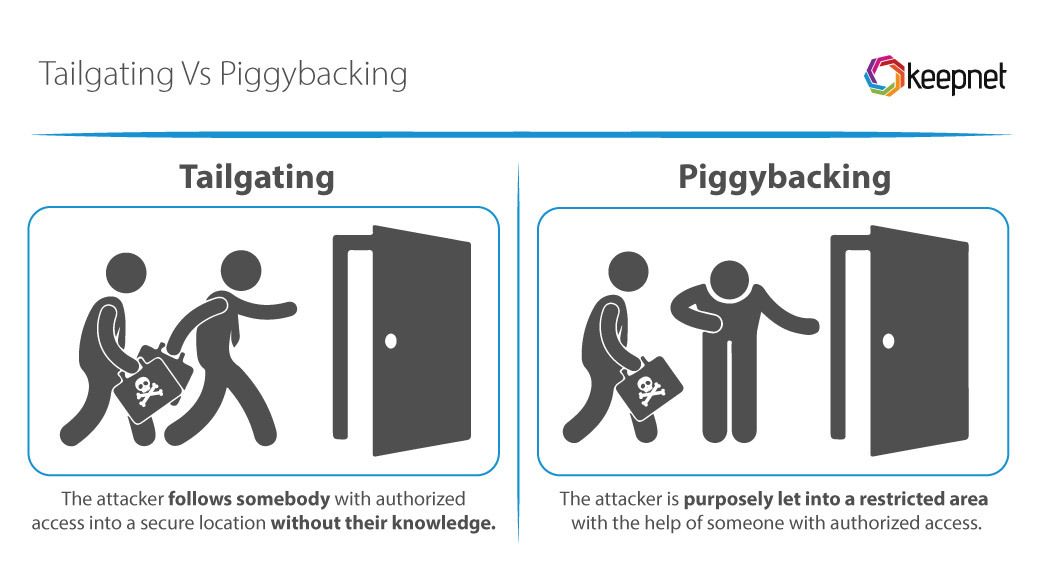
A simple physical breach—such as someone tailgating into an office or accessing an unsecured server room—can lead to:

  • Data theft
  • Lost customer information
  • GDPR breaches
  • Company downtime
  • Financial penalties

How to Strengthen Cyber-Physical Security

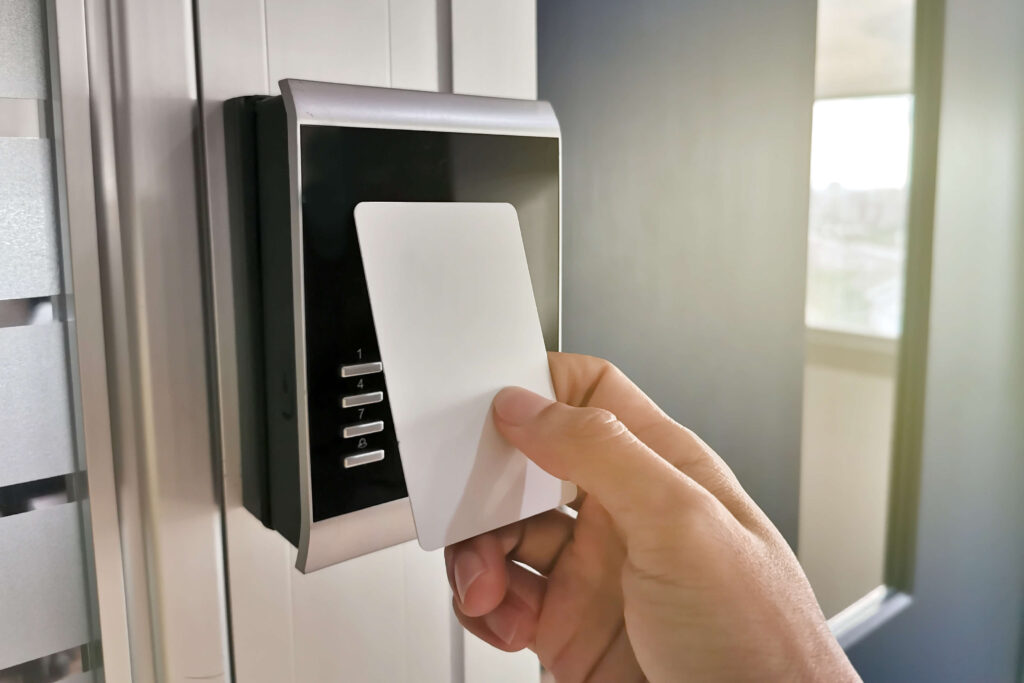
  • Use security officers for access control
  • Lock server rooms and sensitive areas
  • Issue staff ID badges and visitor passes
  • Train employees on tailgating risks
  • Use logbooks and entry records

A combined physical and digital security approach is essential in 2025.


8. Unsecured Vacant Properties in Bristol

Vacant commercial units—especially in developing areas like Temple Meads or Broadmead—are increasingly targeted by:

  • Squatters
  • Vandals
  • Arsonists
  • Metal thieves
  • Fly-tippers

Insurance companies are now stricter, often requiring proof of inspected, protected premises.

How to Protect a Vacant Property

  • Weekly or daily vacant property inspections
  • Boarding and securing windows/doors
  • Monitored CCTV
  • Mobile patrol services
  • Temporary alarms

These measures prevent damage and ensure insurance compliance.


9. Poor Lighting and Blind Spots Around Business Premises

Often overlooked, poor lighting creates blind spots that make criminal activity easier and increase:

  • Trespassing
  • Break-ins
  • Vehicle crime
  • Vandalism
  • Staff safety risks

This is common in alleyways, rear yards, loading bays, and car parks.

Simple Fixes That Make a Big Difference

  • Motion-activated lighting
  • LED floodlights
  • Regular maintenance checks
  • CCTV repositioning

Lighting alone can reduce overall crime by up to 20–25%.


10. Lack of Professional Security Presence

Many businesses still rely on:

  • Staff locking up alone
  • Old alarms
  • CCTV with no monitoring
  • “Hope for the best” deterrence

But with rising incidents, 2025 demands a more proactive approach.

A professional, SIA-licensed security presence remains the strongest deterrent to most threats on this list.


How Bristol Businesses Can Reduce Security Risks in 2025

To effectively protect your premises, consider:

  • Manned guarding
  • Mobile patrols
  • Key holding & alarm response
  • CCTV monitoring
  • Construction site security
  • Vacant property inspections
  • Front-of-house security
  • Risk assessments tailored to your industry

A combined approach is proven to reduce crime dramatically.


Final Thoughts: Staying Protected in a Growing City

Bristol’s growth brings opportunity, but it also requires stronger, more proactive security. Whether you run a shop, construction site, office, industrial facility, or hospitality venue, understanding these common risks helps you stay one step ahead of threats.

With the right security partner, you can protect your people, assets, and reputation while keeping your business running smoothly.


If you’re concerned about the security risks facing your Bristol business, we can help.
Sureguard provides professional, SIA-licensed security services across Bristol and the South West, including:

  • Manned guarding
  • Mobile patrols
  • CCTV monitoring
  • Key holding & alarm response
  • Construction site security
  • Vacant property protection

Get a free security assessment today.

info@sureguardltd.co.uk

0117 2510081

The Science Behind a K9’s Nose

The Science Behind a K9’s Nose: Why Dogs Detect What Humans Can’t

In the ever-evolving world of security services, one element remains timeless — the exceptional power of a K9’s nose. While technology continues to advance, trained security dogs still outperform machines in sensitivity, speed, and adaptability.

At Sureguard Ltd, our K9 security teams combine natural instinct with advanced training to provide reliable detection and deterrence across corporate facilities, events, and critical infrastructure. Here’s the science behind what makes these dogs so extraordinary — and why they continue to be a vital part of modern security operations.

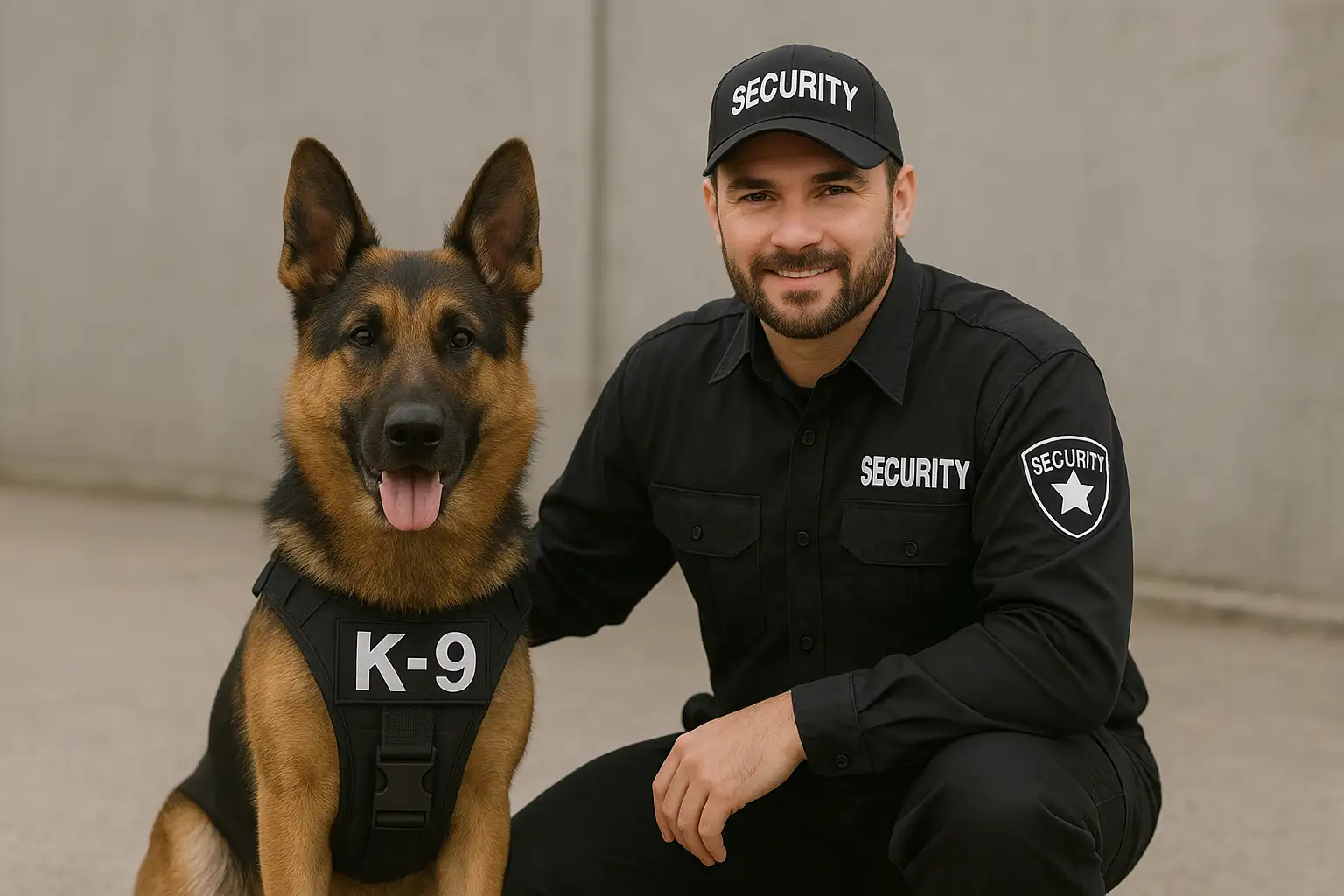
k9 security

🔬 A Biological Marvel: How K9s Smell the Invisible

A dog’s nose is designed for one purpose — scent detection. While humans have around 5 million scent receptors, some dogs have up to 300 million, depending on breed and genetics.

In addition, the area of a dog’s brain that processes smell is roughly 40 times larger than a human’s. This means dogs don’t just smell stronger — they smell deeper. When humans smell coffee, dogs can detect each layer: coffee beans, milk, sugar, even the unique scent of the person who brewed it.

This incredible olfactory sensitivity allows K9 detection units to identify microscopic traces of explosives, drugs, or accelerants that no electronic sensor can match.

🌬 Continuous Scent Detection: How a K9’s Nose Works

Unlike humans, dogs don’t exhale through the same path they inhale. Their nostrils are structured so air flows in through the front and out through side slits. This airflow pattern creates a continuous cycle, allowing a security K9 to track scents even while moving or breathing normally.

When air enters the dog’s nose, it splits into two channels — one for breathing and one for analyzing odors. This separation means that detection dogs can identify faint chemical compounds even when they’re surrounded by stronger competing scents, such as perfumes, cleaning agents, or exhaust fumes.

That’s why explosive detection dogs can locate a single trace particle hidden inside luggage or cargo containers — a task no human or device can perform as efficiently in real time.

👃 The Vomeronasal Organ: A “Sixth Sense” for Security

In addition to their nose, dogs have another sensory tool — the vomeronasal organ (also called Jacobson’s organ). This system detects pheromones and subtle chemical cues, allowing dogs to read emotional states such as fear, anxiety, or aggression.

For security patrol dogs, this means they don’t just detect physical threats — they can sense behavioral cues that help their handlers anticipate and de-escalate situations. It’s a blend of biology and intuition that no machine can replicate.

🎓 From Natural Ability to Professional Expertise

While nature gives dogs the tools, professional K9 training turns them into specialists. At Sureguard Ltd, our K9s undergo rigorous, reward-based training programs designed to develop precision and reliability.

Each detection dog learns to identify specific target scents — from explosives and narcotics to contraband and accelerants — using positive reinforcement. This builds motivation and accuracy while maintaining the dog’s well-being and focus.

Equally important is the bond between handler and K9. The trust, communication, and teamwork they develop ensure that both respond seamlessly in high-pressure environments, whether at an airport, corporate facility, or large public event.

💡 Why K9 Units Outperform Technology

Modern security technology — including electronic sensors, AI-driven detection, and chemical scanners — plays a vital role. But none can match the mobility, adaptability, and speed of a trained K9.

A detection dog can:

  • Work in any environment without recalibration.
  • Detect multiple substances simultaneously.
  • Track moving scents and respond instantly to handler commands.
  • Adapt to unpredictable real-world conditions.

That’s why K9 security services remain one of the most effective tools for preventive and responsive protection in industries ranging from logistics and transportation to energy, defense, and event management.

🏆 The Perfect Partnership of Nature and Training

The science behind a K9’s nose demonstrates more than anatomy — it shows the powerful partnership between human expertise and natural instinct.

At Sureguard Ltd, we’re proud to provide professional K9 security services that deliver unmatched detection, deterrence, and peace of mind. Whether it’s corporate security patrols, event screening, or explosive detection, our trained K9 units ensure safety you can trust — backed by biology and proven by performance.

📞 Strengthen Your Security Program Today

Want to learn how a K9 unit can enhance your security strategy?
Contact Sureguard Ltd today for a customized K9 deployment plan designed to protect your people, assets, and reputation.

  • 👉 Get in touch: https://sureguardltd.co.uk/contact-sureguard/
  • 📧 Email: info@sureguardltd.co.uk
  • 📞 Call: 0117 2510081
24/7 Security

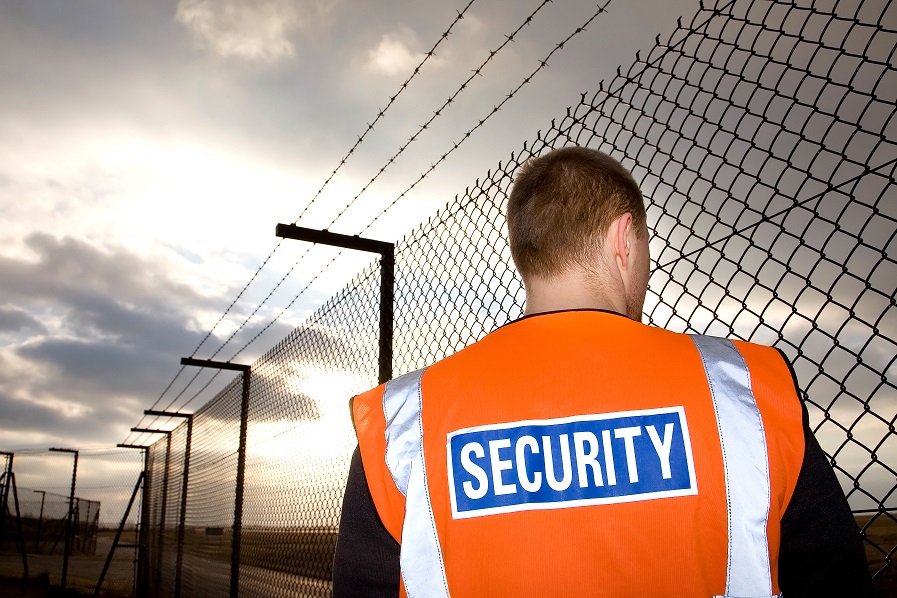
24/7 Security

Why 24/7 Security Is Worth the Investment

In today’s fast-moving world, safety can’t be an afterthought. Whether you’re running a business, managing property, or protecting your staff and assets, investing in a professional security company that offers 24/7 security services is one of the smartest decisions you can make.

It’s not just about preventing crime — it’s about peace of mind, reliability, and confidence that your premises are protected every hour of the day.


1. Around-the-Clock Protection

Criminal activity doesn’t follow a 9-to-5 schedule — and neither should your security. Having trained security guards and continuous monitoring in place 24 hours a day ensures your property is never left unprotected.

From overnight patrols to real-time camera surveillance, 24/7 protection minimizes the risk of theft, trespassing, and vandalism — even during holidays or off-hours.


2. Immediate Response When It Matters Most

Emergencies can strike at any time. With a dedicated security service operating 24/7, you can rely on a rapid response to incidents such as alarms, break-ins, or suspicious activity.

A professional security guard can assess and respond quickly, reducing the impact of potential damage and ensuring swift communication with emergency services when necessary.


3. A Safer Environment for Employees and Visitors

When staff and visitors know a professional security company is on-site around the clock, they feel safer and more confident.

Visible, uniformed security guards deter unwanted behavior and create a calm, reassuring environment — improving morale, trust, and overall workplace safety.


4. A Powerful Deterrent Against Crime

The presence of well-trained security guards is one of the most effective deterrents to criminal behavior. Potential offenders are far less likely to target a business that has a visible security presence and active surveillance systems in place.


5. Technology Working Around the Clock

Modern security services combine expert personnel with advanced technology. Integrated CCTV systems, access control, and motion sensors all feed into 24/7 control centers that can respond instantly to suspicious activity — ensuring no event goes unnoticed.


6. Financial and Operational Benefits

While hiring a security company may seem like an additional cost, the long-term financial benefits are clear. Preventing theft, vandalism, and property damage can save thousands each year.

Additionally, businesses that maintain 24/7 protection often qualify for reduced insurance premiums thanks to their lower risk profile.


7. Building Trust and Professional Reputation

Customers, employees, and partners all value safety. A business that invests in professional security services demonstrates reliability and care — essential traits that build long-term trust and enhance your reputation.


Final Thoughts

24/7 security isn’t just a service — it’s a strategic investment in your safety, business continuity, and peace of mind. With professional security guards on duty and advanced monitoring technology in place, you can rest assured that your assets, people, and property are always protected.

At SureGuard LTD, we provide professional, reliable, and responsive security services for businesses and organizations of all sizes.
Our mission is simple: Your safety — protected every hour of every day.

👉 Contact SureGuard LTD today to learn how our 24/7 security company can help safeguard what matters most.

Security Guards Prevent Theft

construction site security


How Security Guards Prevent Theft Before It Happens

In today’s world, theft prevention is a top priority for businesses, residential complexes, and public facilities. While technology such as surveillance cameras and alarm systems play an essential role, nothing replaces the keen observation and proactive presence of a trained security guard. Security guards don’t just respond to crimes—they prevent them before they occur.

1. Visible Deterrence

One of the most effective tools in a security guard’s arsenal is visibility. A uniformed guard patrolling the premises or stationed at entry points sends a strong message to potential offenders: the property is protected. Studies show that visible security significantly reduces the likelihood of theft or vandalism, as criminals tend to target easier, unguarded locations.

2. Monitoring and Surveillance

Modern security guards often work hand-in-hand with technology. They monitor live CCTV feeds, check for suspicious behavior, and ensure that security systems are functioning properly. Guards trained in behavioral observation can identify subtle warning signs—such as loitering, nervous gestures, or attempts to conceal items—before a crime is committed.

3. Access Control

A large portion of theft incidents occur due to unauthorized access. Security guards help prevent this by enforcing strict access control protocols—verifying IDs, managing visitor logs, and ensuring only authorized personnel enter restricted areas. By maintaining order at entry points, guards reduce opportunities for internal and external theft.

4. Patrolling and Inspection

Regular patrols, both random and scheduled, keep intruders guessing and ensure no blind spots are left unchecked. During patrols, guards inspect doors, windows, storage areas, and parking lots for signs of tampering or suspicious activity. Their presence ensures that any potential thief has limited time or opportunity to act.

5. Employee and Customer Interaction

Security guards often interact with employees and customers, developing an intuitive understanding of normal activity patterns. This familiarity allows them to quickly detect when something seems “off.” A friendly but alert presence helps create an environment of safety while discouraging dishonest behavior among staff or visitors.

6. Rapid Response and Coordination

When a potential threat is detected, timing is everything. Security guards are trained to act quickly—either intervening directly or alerting law enforcement. Their ability to control a situation before it escalates can mean the difference between a minor incident and a major loss.

7. Reporting and Prevention Analysis

Beyond the day-to-day tasks, guards play a key role in long-term theft prevention. They document incidents, report vulnerabilities, and suggest improvements in security procedures. These insights help management make informed decisions about lighting, camera placement, and policy changes that further reduce risks.


Conclusion

Security guards serve as the first line of defense against theft—not by reacting to crime, but by anticipating it. Their vigilance, professionalism, and presence transform vulnerable spaces into secure environments. In short, they don’t just catch thieves—they stop theft before it ever begins.

Armed and Unarmed Security


The Difference Between Armed and Unarmed Security Guards

Security is an essential component of safety for businesses, residential areas, and public spaces. When hiring security personnel, one of the key decisions to make is whether to employ armed or unarmed security guards. While both play vital roles in protecting people and property, their responsibilities, training, and risk levels differ significantly. Understanding these differences helps organizations choose the right type of security for their specific needs.

1. Definition and Primary Role

  • Armed Security Guards
    Armed security guards are licensed professionals who carry firearms while on duty. Their presence serves as both a deterrent to potential criminals and a direct line of defense in situations that could involve weapons or violence. They are often deployed in high-risk environments where the threat level is elevated.
  • Unarmed Security Guards
    Unarmed guards, on the other hand, do not carry firearms. They rely on non-lethal methods such as communication, surveillance, and de-escalation techniques to handle security concerns. Their main focus is to observe, report, and prevent incidents through visibility and vigilance.

2. Training and Licensing Requirements

  • Armed Guards:
    Armed guards undergo extensive training that includes firearms handling, marksmanship, and legal regulations concerning the use of deadly force. They must obtain specific licenses and pass background checks and psychological evaluations. Ongoing training and recertification are also typically required to ensure they remain competent and compliant with the law.
  • Unarmed Guards:
    While unarmed guards receive professional security training, it usually focuses on areas like conflict resolution, observation skills, emergency response, and customer service. Their training emphasizes prevention and de-escalation rather than force.

3. Work Environments

  • Armed Guards:
    These guards are commonly employed in high-security locations such as banks, government facilities, jewelry stores, and large corporations handling sensitive or valuable assets. They may also protect high-profile individuals or events with elevated risk levels.
  • Unarmed Guards:
    Unarmed guards typically work in environments where the risk of violence is lower—such as retail stores, residential communities, schools, or office buildings. Their role often combines security with customer assistance and maintaining order.

4. Cost Differences

  • Armed Security:
    Hiring armed guards generally costs more due to the higher level of training, insurance, and licensing required. Organizations pay for the added expertise and liability coverage associated with the potential use of deadly force.
  • Unarmed Security:
    Unarmed security services are more affordable, making them suitable for businesses or institutions that require a strong security presence without the risks or costs linked to firearms.

5. Risk and Liability

  • Armed Guards:
    While they provide a stronger defense against violent threats, armed guards also come with higher liability risks. Any misuse of a firearm can have serious legal and reputational consequences for both the guard and their employer.
  • Unarmed Guards:
    Because they do not carry weapons, unarmed guards pose less liability risk. Their approach to managing threats relies on communication, observation, and coordination with law enforcement when necessary.

6. Choosing the Right Type of Security

Selecting between armed and unarmed security guards depends on factors such as the level of threat, type of property, and budget.

  • Businesses dealing with high-value assets or sensitive information may benefit from armed protection.
  • Facilities prioritizing a welcoming, low-risk environment may find unarmed guards more appropriate.

Conclusion

Both armed and unarmed security guards play critical roles in maintaining safety and order. The main difference lies in their preparedness to confront threats—armed guards are equipped to respond to violent situations, while unarmed guards focus on prevention and de-escalation. The best choice ultimately depends on the specific security needs, potential risks, and desired level of protection for a given location or organization.

What to Look for When Hiring a Security Company

Hiring a security company is a major decision for any business, organization, or residential community. The right team can protect your property, people, and peace of mind — while the wrong choice can leave you vulnerable. Whether you’re securing a construction site, an office building, or a retail store, knowing what to look for in a professional security provider is essential.

Below are the key factors to consider before signing a contract with a security company

1. Proper Licensing and Certification

A reputable security company should be fully licensed and compliant with all local and state regulations. This includes business licenses and individual guard certifications. Don’t hesitate to ask for proof of licensing — legitimate companies will gladly provide documentation.
Tip: Check if guards receive ongoing training and meet updated state requirements for armed or unarmed duties.


2. Experience in Your Industry

Security needs vary across industries. A company that specializes in event security may not have the same expertise required for a warehouse or hospital. Look for a provider with experience in your specific field.
For example:

  • Construction sites: theft prevention, overnight patrols, and equipment protection
  • Retail: loss prevention and customer interaction
  • Corporate: access control and emergency procedures

3. Professional Training and Standards

Quality guards are only as good as their training. Ask about the company’s training programs — both at hiring and ongoing. Professional guards should receive instruction in:

  • Conflict resolution and de-escalation
  • Emergency response
  • Communication and reporting
  • Surveillance technology
  • Customer service

A company that invests in continuous training is one that takes your safety seriously.


4. Technology and Reporting Tools

Modern security companies use advanced technology to improve efficiency and transparency. Look for features such as:

  • GPS patrol tracking to verify guard routes
  • Real-time incident reporting through mobile apps
  • Body cameras for accountability
  • Digital logs that can be shared with clients

These tools not only enhance protection but also provide proof of service and quick response times.


5. Reputation and References

A company’s reputation speaks volumes. Check online reviews, testimonials, and ratings on Google or industry directories. Ask for client references, and don’t be afraid to reach out to them directly.
Reliable companies will have a solid track record of professionalism, punctuality, and integrity.


6. Clear Communication and Transparency

From the initial quote to ongoing service, communication is key. The best security companies maintain clear channels for updates, feedback, and emergency contacts.
Make sure your provider offers:

  • A dedicated account manager or supervisor
  • Regular check-ins or reports
  • Clear escalation procedures for incidents

7. Flexibility and Customizable Services

Every site has unique needs. A trustworthy company should offer flexible service plans — from part-time coverage to 24/7 patrols. They should take time to assess your property and tailor a security plan that fits your risk level and budget.


8. Insurance and Liability Coverage

Always confirm that the company carries proper insurance, including general liability and worker’s compensation. This protects both you and the guards in case of accidents or damages while on duty.


Final Thoughts

Hiring a security company is an investment in safety, reputation, and peace of mind. By evaluating experience, professionalism, technology, and transparency, you’ll ensure your property and people are in capable hands.

If you’re ready to partner with a trusted team that puts your security first, Sureguard Ltd offers trained professionals, advanced reporting systems, and customized solutions to meet your needs.
👉 Contact us today for a free security consultation.

Why Use Mobile Patrols

The Benefits of Using Mobile Patrols for Security

In an era where security threats are increasingly sophisticated and unpredictable, businesses and property owners are seeking flexible, effective solutions to protect their assets. One such solution gaining popularity is the use of mobile patrols. Unlike static security guards who remain stationed in one place, mobile patrols involve trained officers who travel between multiple locations, conducting random or scheduled checks. Here are the key benefits of using mobile patrols for security.

1. Enhanced Visibility and Deterrence

The unpredictable and highly visible presence of mobile patrols acts as a strong deterrent to potential criminals. Knowing that a security vehicle could arrive at any time makes it risky for would-be intruders or vandals to target the property.

2. Cost-Effective Coverage

Mobile patrols allow for the protection of large or multiple sites without the expense of employing a full-time, on-site guard at each location. This makes them an ideal solution for businesses with expansive properties or several locations.

3. Rapid Response to Incidents

Patrol officers are trained to respond quickly to alarms, suspicious activity, or emergencies. Their mobility enables them to reach different parts of a site—or multiple sites—faster than static guards, reducing response times and minimizing potential damage or loss.

4. Comprehensive Checks

Mobile patrols can perform a range of duties, including checking doors and windows, inspecting for signs of unauthorized entry, monitoring for hazards, and ensuring that safety procedures are followed. This proactive approach helps identify vulnerabilities before they become security breaches.

5. Flexible and Scalable Security

The frequency and timing of mobile patrols can be adjusted to suit the specific needs and risk profiles of each client. Whether you need periodic checks during off-hours or increased patrols during high-risk periods, services can be customized accordingly.

6. Detailed Reporting

Professional mobile patrol services provide detailed reports of their patrols, including any incidents or observations. These records are valuable for insurance, compliance, and ongoing risk assessment.

7. Peace of Mind

Knowing that a professional security presence is monitoring your property—even when you’re not there—gives peace of mind to business owners, employees, and tenants alike.

Conclusion

Mobile patrols offer a versatile, reliable, and cost-effective security solution for a wide range of properties. By combining visibility, rapid response, and thorough inspections, mobile patrols not only deter crime but also provide tangible evidence of security measures in place. For businesses seeking to balance security needs with budget considerations, mobile patrols are an excellent option to enhance overall protection.

The Need For Security On A Building Site

Why Building Sites Need Security: Protecting Projects, People, and Assets

Construction and building sites are dynamic environments that house valuable equipment, raw materials, and sensitive information. Given their open nature and the constant movement of personnel, vehicles, and materials, these sites are especially susceptible to various security threats. Here’s why investing in robust security for building sites is essential.

1. Theft of Equipment and Materials

Construction sites often store expensive machinery, tools, and building materials such as copper wiring, lumber, and metals. These items are prime targets for thieves, especially after hours when the site is deserted. Security measures help deter theft and safeguard costly assets.

2. Vandalism and Property Damage

Unprotected sites are vulnerable to vandalism, including graffiti, arson, and the deliberate destruction of equipment or structures. Acts of vandalism can lead to costly repairs, project delays, and even safety hazards for workers.

3. Unauthorised Access and Trespassing

Construction sites can be dangerous for untrained individuals. Unauthorized access by trespassers poses safety risks and legal liabilities for site managers. Effective security helps control access and keeps only authorized personnel on-site.

4. Safety of Workers and Visitors

A secure site is a safer site. Security personnel can help enforce safety protocols, monitor for hazards, and respond to accidents or emergencies, creating a safer environment for everyone present.

5. Protection from Liability and Legal Risks

If unauthorized individuals are injured on-site, property owners and contractors may face legal claims. Security measures reduce the risk of such incidents and demonstrate due diligence in maintaining a safe environment.

6. Project Continuity and Timely Completion

Security breaches can halt work, delay project timelines, and increase costs. By preventing theft, vandalism, and unauthorized access, security helps ensure projects progress smoothly and finish on schedule.

7. Compliance with Insurance and Regulations

Many insurance providers and local authorities require construction sites to have adequate security. Failing to meet these requirements can result in higher premiums, denied claims, or fines.

Key Security Solutions for Building Sites

  • On-site Security Guards: Offer a visible deterrent and rapid response to incidents.
  • CCTV and Alarm Systems: Monitor activity 24/7 and alert authorities to suspicious activity.
  • Access Control: Limit entry to authorized personnel using gates, badges, or biometric systems.
  • Lighting and Fencing: Deter intruders and clearly delineate site boundaries.

Conclusion

Building sites are exposed to a range of security risks that can impact project success, safety, and finances. By prioritizing site security, construction companies and property owners protect their investments, maintain compliance, and ensure a safe, productive workplace. Investing in security is not just a precaution—it’s a vital part of successful project management.

Remote Location Security

The Importance of Security in Remote Locations: Safeguarding Isolated Assets and Operations

Remote locations, such as rural facilities, construction sites, research stations, and remote warehouses, present unique security challenges. Their isolation, limited access to emergency services, and lack of regular oversight make them particularly vulnerable to a range of threats. Understanding the need for security in these settings is essential for protecting assets, people, and ongoing operations.

Why Remote Locations Need Security

  1. Isolation Increases Vulnerability Remote sites are often far from urban centers and law enforcement, making them attractive targets for theft, vandalism, and unauthorized occupation. The absence of nearby witnesses or rapid police response allows criminals more time to act undetected.
  2. High-Value Assets and Equipment Many remote locations store expensive machinery, vehicles, tools, or sensitive research materials. Without adequate security, these valuable assets are at risk of theft or sabotage, potentially causing significant financial losses and operational delays.
  3. Safety of Personnel Employees or contractors working in remote settings may face greater personal risk due to isolation. Security presence ensures their safety, provides immediate assistance in emergencies, and offers peace of mind for those working in challenging environments.
  4. Protection Against Vandalism and Trespassing Unmonitored sites are prone to break-ins, vandalism, and illegal dumping. Unwanted visitors can cause property damage, disrupt operations, or even expose businesses to legal liabilities.
  5. Environmental and Safety Hazards Security personnel can help identify safety hazards, enforce safety protocols, and respond to accidents or environmental incidents, minimizing harm to people and property.

Effective Security Solutions for Remote Locations

  • On-Site Security Guards: Trained guards conduct regular patrols, monitor access points, and respond to incidents.
  • Surveillance Systems: Cameras and alarm systems provide constant monitoring, even when staff are not present.
  • Access Control: Secure gates, fences, and entry logs limit who can enter the site.
  • Remote Monitoring: Security companies can monitor sites via cameras and sensors, alerting authorities if suspicious activity occurs.
  • Lighting and Signage: Well-lit areas and visible security signage deter criminal activity.

Conclusion

Remote locations require specialized security measures due to their unique vulnerabilities. Investing in a comprehensive security plan not only protects valuable assets and personnel but also ensures that operations run smoothly and safely. By prioritizing security in remote locations, businesses and organizations can mitigate risks, reduce losses, and create a safer working environment for everyone involved.

Why Any Business Could Need Security

Why Your Business Needs to Hire Security: Protecting Assets, People, and Reputation

In today’s dynamic business landscape, security is no longer just an option—it’s a necessity. Regardless of size or industry, businesses face a variety of risks that can threaten their assets, employees, and reputation. Hiring professional security is one of the most effective ways to mitigate these risks and ensure a safe, productive environment. Here are the key reasons why your business should consider hiring security services.

1. Crime Prevention

Visible security personnel serve as a powerful deterrent against theft, vandalism, and other criminal activities. Businesses with security guards are less likely to be targeted by criminals, helping to protect property, inventory, and sensitive information.

2. Employee and Customer Safety

The well-being of staff and customers is paramount. Security guards can de-escalate conflicts, address emergencies, and assist with evacuations if necessary. Their presence fosters a sense of safety and can boost employee morale and customer confidence.

3. Emergency Response

From medical incidents to fire alarms, emergencies can occur without warning. Trained security personnel are equipped to respond quickly, administer first aid, and coordinate with emergency services, minimizing harm and disruption.

4. Access Control

Security guards help regulate who enters and exits your premises. This is especially important for businesses that handle sensitive information, valuable assets, or operate in restricted areas. Effective access control reduces the risk of unauthorized entry and internal theft.

5. Loss Prevention

Retail businesses in particular benefit from having security guards who can identify suspicious behavior, monitor surveillance systems, and intervene when theft is suspected. This proactive approach can save businesses significant amounts in lost revenue.

6. Enhanced Customer Service

Security personnel often serve as the first point of contact for visitors. They can provide directions, answer questions, and assist with various needs, contributing to a positive customer experience.

7. Protection of Reputation

Incidents of crime or violence can severely damage a company’s reputation. By investing in security, businesses demonstrate their commitment to safety and responsibility, which can enhance trust among customers, partners, and employees.

8. Compliance and Insurance Benefits

Many industries require certain security measures to comply with regulations or insurance policies. Professional security can help businesses meet these requirements and potentially lower insurance premiums.

Conclusion

Hiring security is an investment in the safety, stability, and success of your business. From crime prevention and emergency response to improved customer service and reputation management, professional security personnel offer a wide range of benefits. By assessing your unique risks and choosing the right security solution, you can protect what matters most and create a secure environment for everyone involved.

>