


 Call us at 0117 251 0081

Vacant properties might look quiet and harmless from the outside—but in reality, they are high-risk assets. Whether it’s a residential home between tenants, a commercial building awaiting sale, or a development site paused mid-project, vacancy dramatically increases exposure to financial loss, liability, and long-term damage.
Here’s what every property owner should understand.
The Hidden Risks of Vacant Property
1. Vandalism and Break-Ins


Vacant buildings are easy targets. With no daily activity, criminals know there is little chance of being interrupted. Common incidents include:
- Broken windows and forced entry
- Graffiti and property defacement
- Theft of fixtures, wiring, copper piping, and appliances
- Intentional property damage
Even minor vandalism can lead to significant repair costs and make the property less attractive to buyers or tenants.
2. Squatting and Illegal Occupation




Empty buildings can attract unauthorized occupants. Squatting creates legal, financial, and safety challenges:
- Lengthy eviction processes
- Property damage and sanitation issues
- Utility tampering and fire hazards
- Increased neighborhood complaints
The longer a property remains unsecured, the more likely it is to be occupied unlawfully.
3. Fire and Environmental Damage

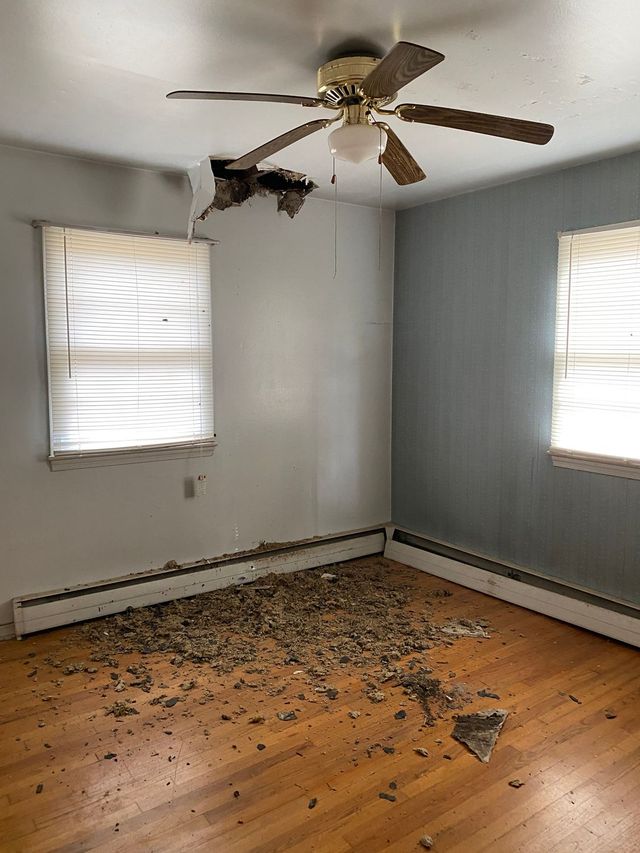

Vacant buildings face elevated fire risk, whether from arson, electrical faults, or vandalism. Without routine monitoring, small issues escalate quickly:
- Undetected water leaks leading to mold
- Frozen or burst pipes
- Faulty wiring becoming a fire hazard
- Weather damage worsening over time
Insurance claims on vacant properties are often more complex—and some policies limit coverage after a certain period of vacancy.
4. Liability and Legal Exposure
Property owners remain responsible for what happens on their land—even when it’s empty. Risks include:
- Injury to trespassers
- Structural collapse
- Falling debris
- Unsafe access points
A single injury claim can exceed the cost of preventive security many times over.
Why Security Is Essential
Security for vacant property isn’t optional—it’s risk management.
Physical Deterrents
- Steel security doors and window screens
- Perimeter fencing
- Lock upgrades
- Boarding (when appropriate)
Electronic Monitoring

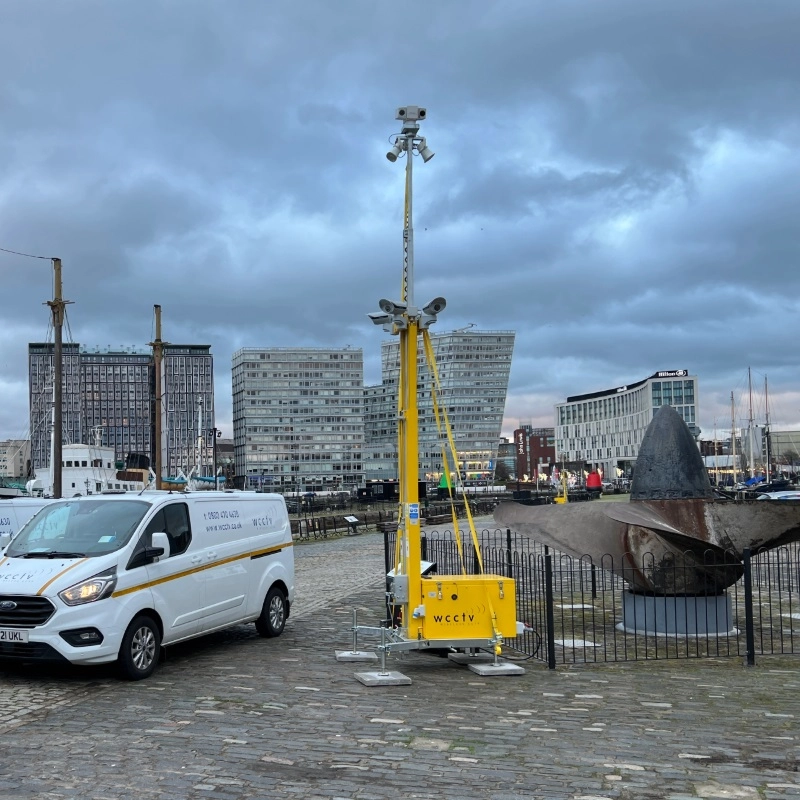
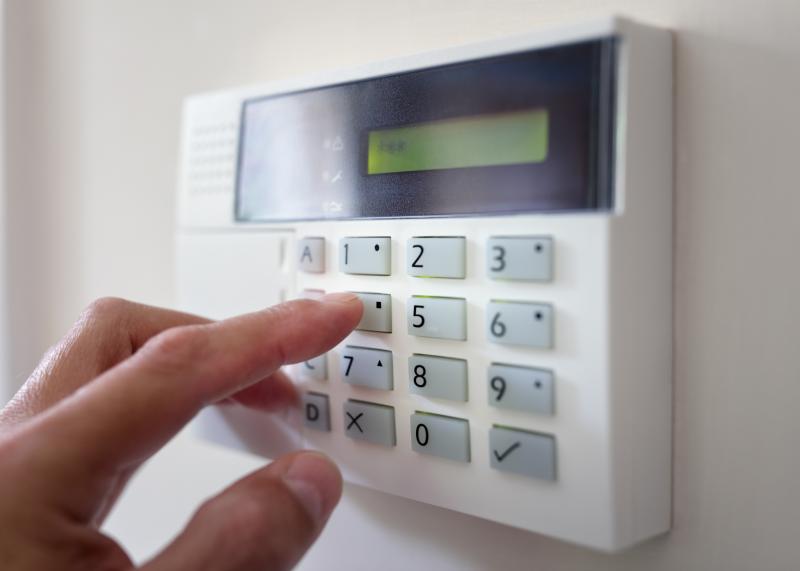
- CCTV systems with remote access
- Alarm systems with motion detection
- 24/7 monitoring services
- Mobile security patrols
Visible security measures significantly reduce the likelihood of targeting.
Financial Protection
Vacant properties often:
- Lose value faster without upkeep
- Require higher insurance premiums
- Face stricter insurance terms
- Take longer to sell when visibly neglected
Proactive security protects both the physical asset and its marketability.
Community Impact
Unsecured vacant buildings don’t just affect owners—they affect neighborhoods. They can:
- Lower surrounding property values
- Increase local crime rates
- Become dumping sites
- Create safety concerns for residents
Responsible property management contributes to community stability.
Final Thoughts
If you own a vacant property, time is not on your side. The longer it sits unsecured, the higher the risk becomes. Investing in proper security—physical barriers, surveillance, inspections, and monitoring—is significantly less expensive than recovering from vandalism, fire, or liability claims.
Vacancy doesn’t eliminate responsibility. It increases it.
Protect the property. Protect the investment. Protect the community.